Context
Market, installation conditions and the architecture of the room.
BXD NAMES THE LAYER
ARCHITECTURE HAS BEEN MISSING
The interface becomes quiet, but the room becomes more capable.
BXD began with a simple problem: control products were treated as isolated objects while architects were designing complete environments.
We bring the system, function, composition and surface into one physical language. The result is not another switch collection. It is a category we call Architectural Interface.
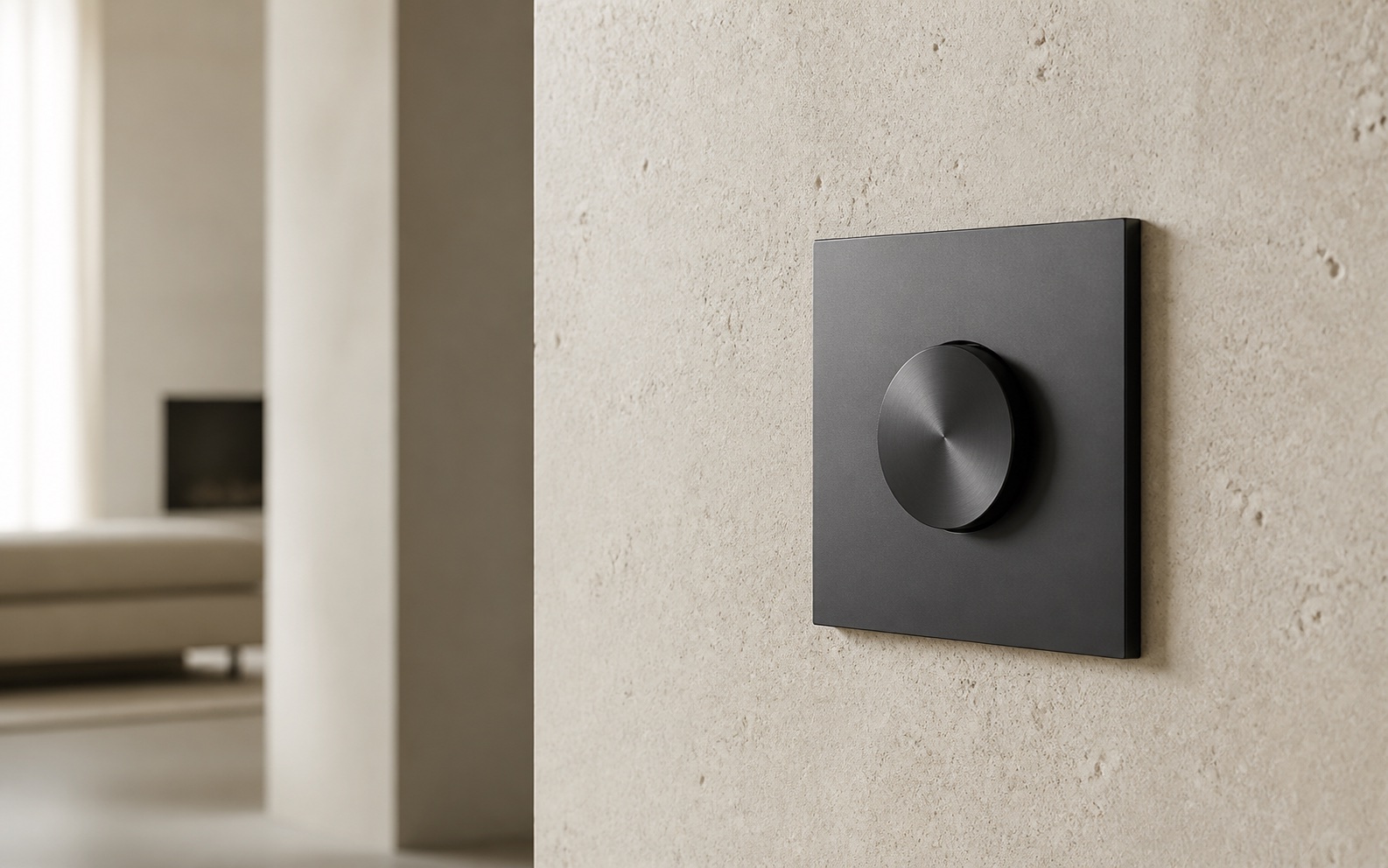
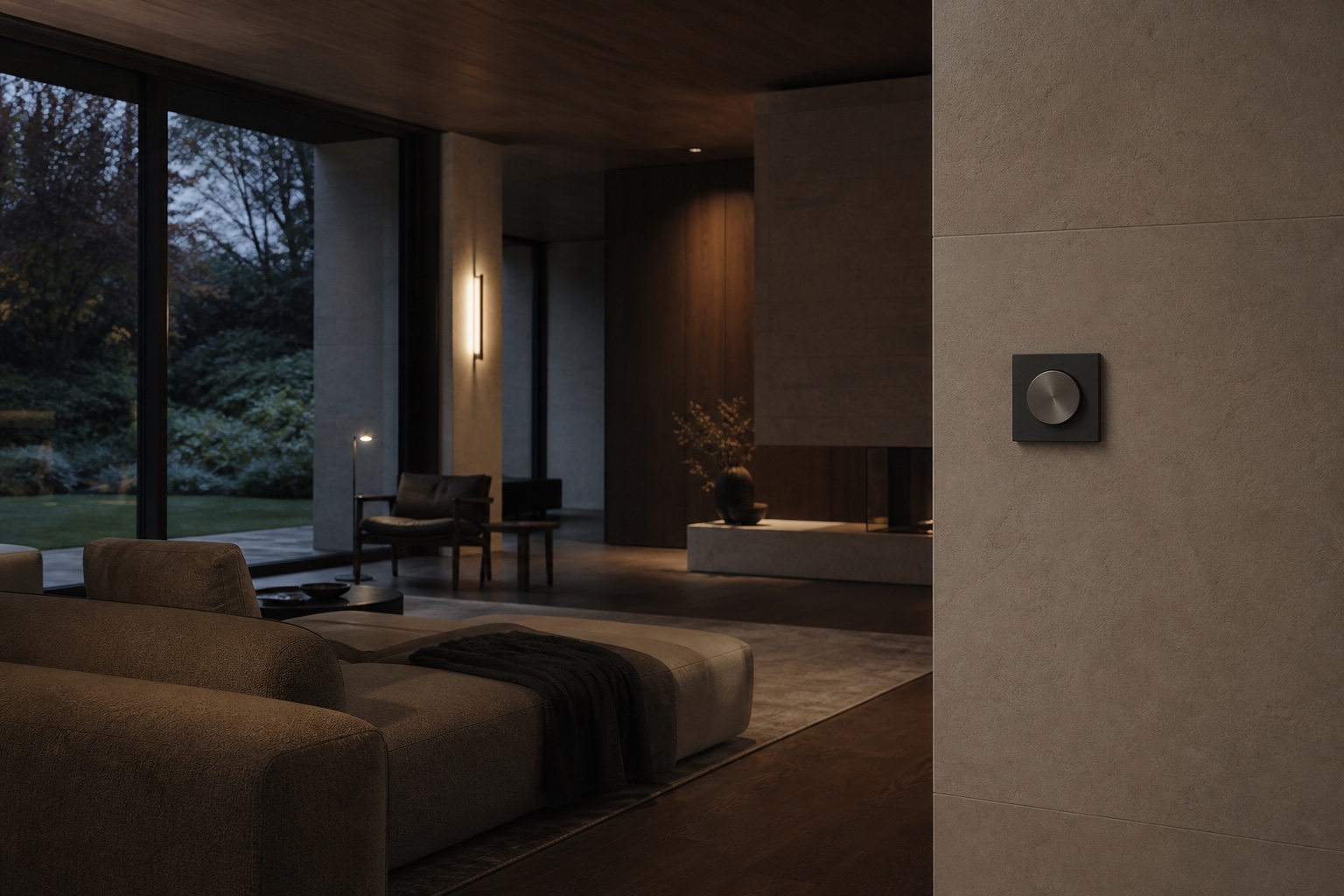
Technology belongs in the architecture—not on top of it.
A beautiful surface without a coherent system is decoration. A powerful system without a resolved interface is infrastructure left unfinished.
BXD treats context, system, function, composition and surface as one design problem. Every layer has to agree before the object is complete.
EVERY ROOMDESERVES ONECLEAR LANGUAGEOF CONTROL.
Five layers. One architectural interface.
The standard is simple: every decision must make the room clearer, quieter and easier to control.
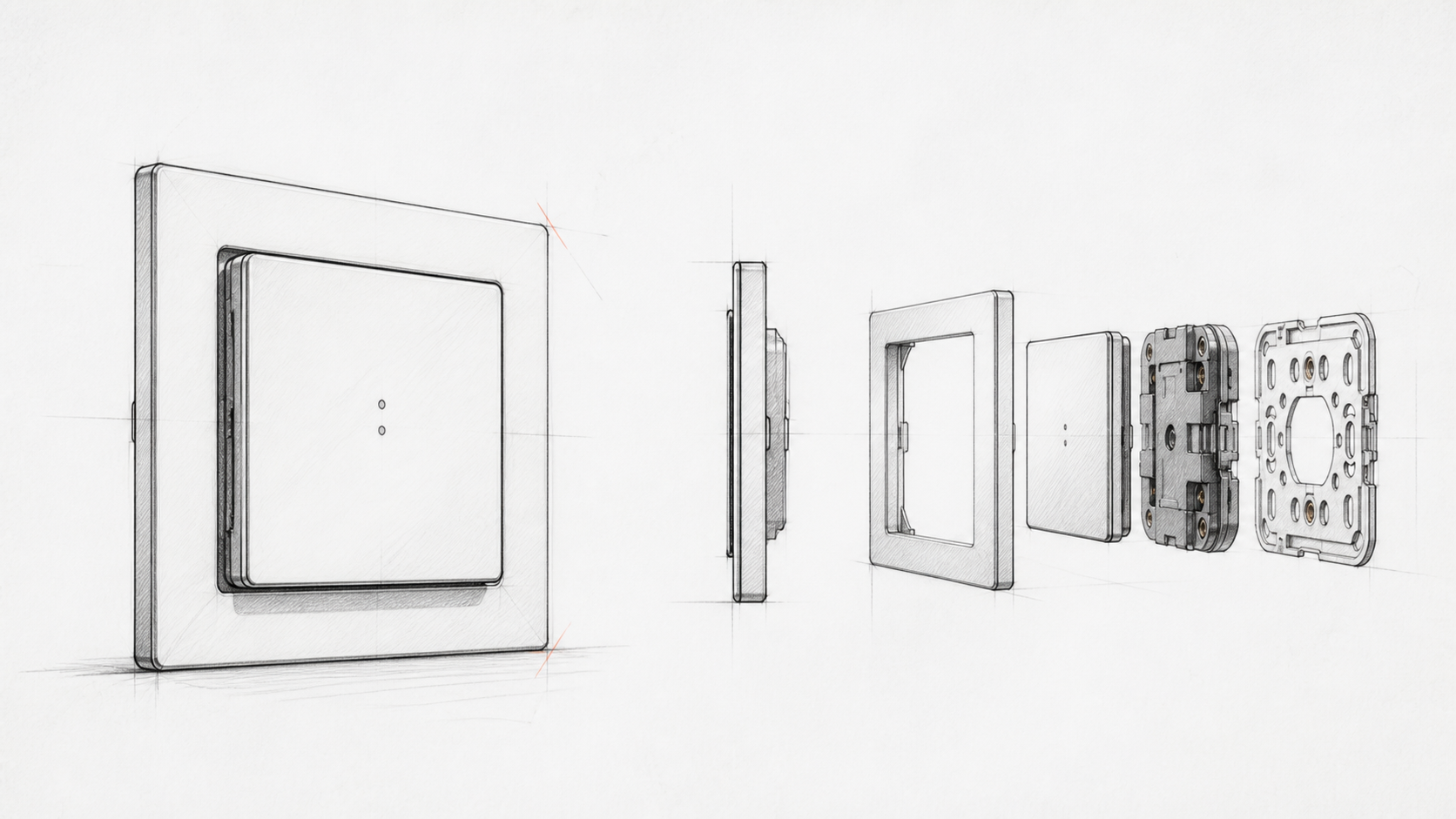
Five decisions resolved as one object.
Market, installation conditions and the architecture of the room.
The wired or wireless platform behind every point of control.
Lighting, shading, climate, power, access and scenes.
Functions and positions arranged around how the room is used.
Material, finish and colour carried through the whole project.
We want control to feel inevitable—designed into the room from the beginning.
BXD